
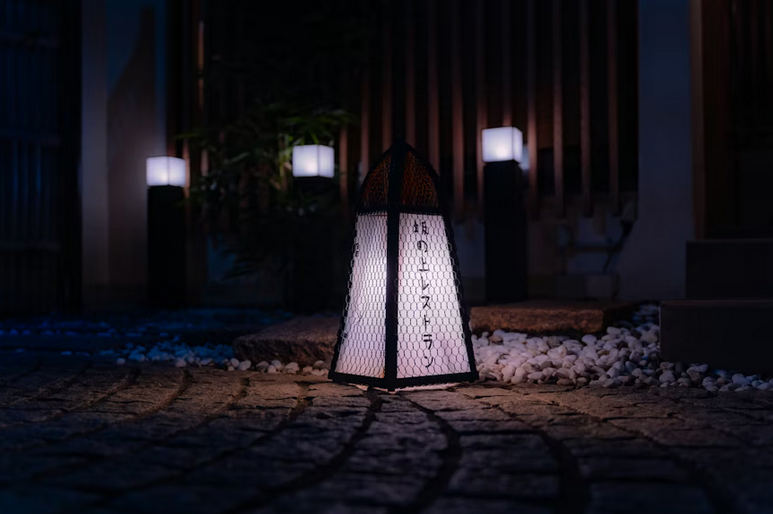
Most people think of home design in terms of furniture, paint colors, or decorations. But there’s one element that quietly has just as much impact, lighting. The way a room is lit can completely change how it feels, even if nothing else in the space has been altered. A room can feel warm and inviting in the evening and cold or empty in the morning, all because of how light interacts with it. It’s one of those things you notice without really noticing, but once you start paying attention, it changes how you see your home entirely.
The Psychology Behind Light and Mood
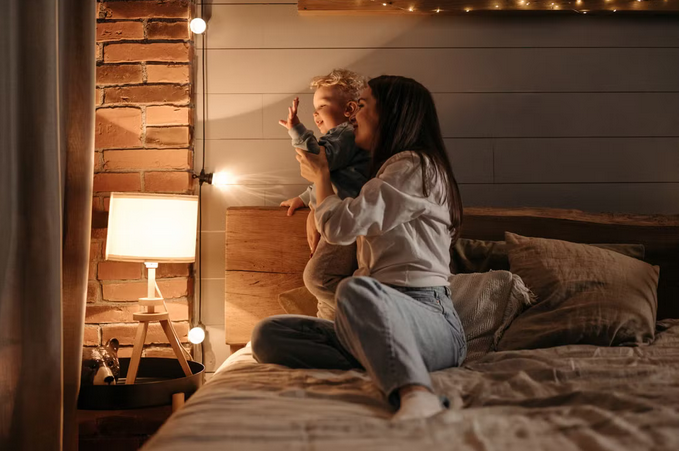
Lighting affects more than just visibility; it influences how your brain interprets a space. Bright, cool lighting tends to make people feel alert and focused, while softer, warmer lighting creates a sense of relaxation. This is why hospitals, offices, cafes, and homes all use lighting differently. Your brain reads these cues instantly, even if you’re not consciously aware of it. The same room can feel like a workspace or a cozy retreat, simply depending on the tone and intensity of the light.
Natural Light and Its Daily Impact
Natural light is often the most powerful mood-shifter in any home. Sunlight brings warmth, clarity, and a sense of openness that artificial lighting can struggle to replicate. Rooms with large windows or good daylight exposure tend to feel more spacious and alive. On the other hand, spaces that lack natural light can feel heavier or more closed in. Even the time of day matters; morning light feels fresh and energizing, while evening light feels softer and more calming, subtly guiding your daily rhythm.
Warm Lighting vs Cool Lighting
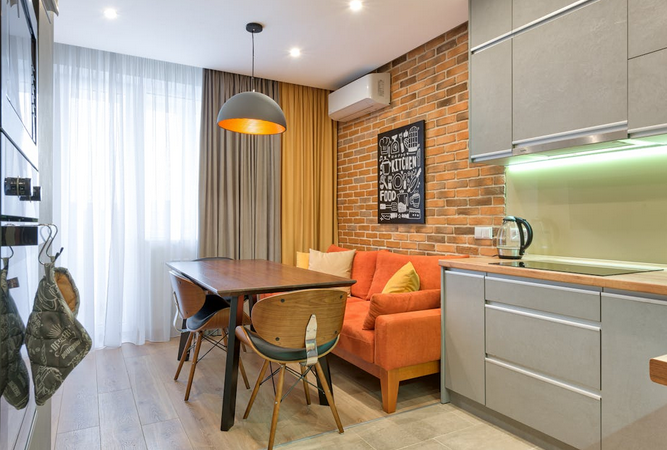
One of the simplest but most important lighting decisions is choosing between warm and cool tones. Warm lighting, with its yellow and orange hues, creates a relaxed and cozy atmosphere that works well in living rooms and bedrooms. Cool lighting, which leans toward white or blue tones, feels sharper and more modern, often used in kitchens, bathrooms, or workspaces. The wrong choice in the wrong room can completely shift how comfortable or functional that space feels.
Layered Lighting for Depth and Balance
A single overhead light often isn’t enough to create a comfortable home environment. Layered lighting—using a mix of ceiling lights, floor lamps, table lamps, and accent lighting—adds depth and flexibility to a space. This approach allows you to adjust the mood depending on the time of day or activity. Instead of relying on one harsh source of light, layering creates a more natural and visually interesting environment that feels lived-in rather than flat.
Shadows and Contrast in Interior Atmosphere
Lighting isn’t just about brightness; it’s also about shadows. Soft shadows can make a room feel more intimate and relaxed, while harsh lighting with little shadow can feel clinical or uncomfortable. The balance between light and dark areas gives a room character. Even something as simple as placing a lamp in a corner instead of lighting everything evenly can make a space feel more dynamic and visually appealing.
The Role of Lighting in Productivity and Rest
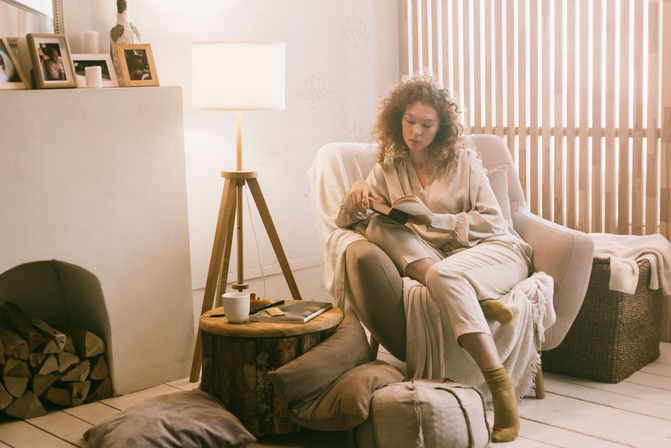
Different lighting setups can influence how productive or relaxed you feel in a space. Bright, well-lit environments tend to boost focus and energy, making them ideal for work or study areas. Softer, dimmer lighting signals to your body that it’s time to slow down, which is why bedrooms often benefit from adjustable or warm lighting. When lighting aligns with how you want to feel in a room, it becomes easier to switch between activity and rest.
Small Lighting Changes With Big Effects
One of the best things about lighting is how easy it is to adjust. You don’t need a full renovation to change the mood of your home. Swapping out bulbs, adding a floor lamp, or introducing dimmable lights can instantly transform a space. Even repositioning existing light sources can make a noticeable difference. These small changes often have a bigger impact than people expect, especially when combined with natural light throughout the day.
Lighting is one of the most underrated parts of home design, yet it has a powerful influence on how a space feels and functions. It shapes mood, affects energy levels, and even changes how we experience everyday routines. Whether it’s the warmth of a lamp in the evening or the brightness of natural sunlight in the morning, lighting quietly defines the atmosphere of your home. Once you start paying attention to it, you realize it’s not just about seeing your space, it’s about feeling it.