

Many students spend months preparing for the SAT without seeing real improvement. They solve endless practice questions, skim through old prep books, and memorize vocabulary lists—yet their scores stay stubbornly in the same range. What’s missing? A smarter, proven approach, like an SAT Prep Course, that focuses not only on repetition, but precision.
Most Students Study the Wrong Way

Test prep often becomes an exercise in quantity over quality. Pages of worksheets get completed, but the core skills needed to outsmart the SAT are never addressed. It’s not about cramming formulas or memorizing obscure grammar rules. It’s about learning how the test is structured, and how to spot traps before falling into them. The SAT is predictable once you understand its patterns. Without that insight, prep becomes guesswork. That’s what most students don’t realize. So today, we’ll show you how they can improve their SAT scores.
They Don’t Recognize the Problems With Last-Minute Hustle
Students frequently underestimate the time it takes to build real confidence with the test. A weekend crash course or a few late-night cram sessions won’t develop the critical thinking speed this exam demands. The SAT is as much about pacing and strategy as it is about content. Learning to manage time, eliminate wrong answers efficiently, and stay mentally sharp for three hours requires repetition, and rest. A strong prep plan spreads the workload across manageable sessions, building both skill and stamina.
Test Optional Doesn’t Mean Score Optional

While many universities have adopted test-optional admissions, a competitive SAT score still plays a major role in scholarships, honors programs, and decision-making at selective schools. Applicants who submit strong scores give themselves an advantage, plain and simple. Choosing not to prepare because “it might not be needed” leaves too much to chance. When the difference between acceptance and rejection can come down to one data point, it’s worth taking seriously.
Good Prep Courses Teach Strategy, Not Just Content
A quality prep program won’t waste time covering material students already know. Instead, it zeroes in on question types, techniques, and shortcuts that make a difference on test day. For example:
- How to handle trap answer choices in reading sections.
- Which math problems to skip and come back to.
- How to break down long questions to find what’s actually being asked.
These aren’t skills that appear in textbooks. They come from instructors who’ve studied the test inside out.
Results Come From Systems, Not Hope

Wishing for a better score isn’t a strategy. Improvement stems from structure, feedback, and the ability to make adjustments. The most effective students follow systems, ones that track progress, highlight weaknesses, and provide support along the way. When prep is organized, goal-driven, and built on proven methods, the outcome changes.
A higher score becomes achievable, not because of luck, but because the process works. A better SAT score doesn’t require endless hours of studying. It requires the right structure, delivered in a way that makes sense. Skip the noise. Focus on strategy. And give the test the attention it demands, nothing more, nothing less.
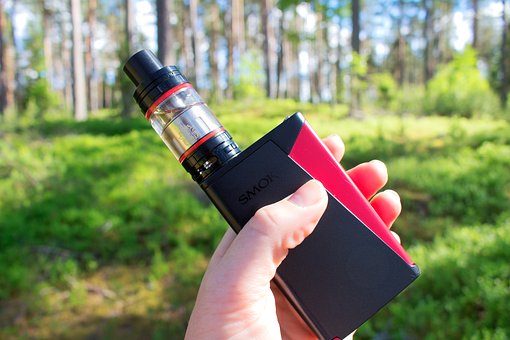
 ensure you consider the brand of the liquid. Most good e-liquids are manufactured by reputable manufacturers. But in the recent past, some manufacturers who are not genuine joined the business of producing e-liquid due to its high demand, and they are making very low-quality e-liquids. It is for this reason that you should buy the e-liquids from the famous and reputable companies.
 The ratio of propylene glycol and vegetable glycerin contained in a given brand of e-liquid is essential when you are looking for the best flavor of e-liquid to viper. The ratio of VP and PG is crucial because it is responsible for the production of throat hit and cloud production. For instance, e-liquids with high content of PG might cause harshness in the flavor of the liquid. On the other hand, high VG content brings a muted taste to the e-liquid.
 Visit the school you are considering. Meet the teachers and other students who will be working together with your child. There should be other students with a similar disability to yours, and trained staff that is working with them. Check out the potential teachers’ credentials to make sure that they know what they are doing. The most important of all, make sure that you are comfortable to trust them with the educational future of your child.